
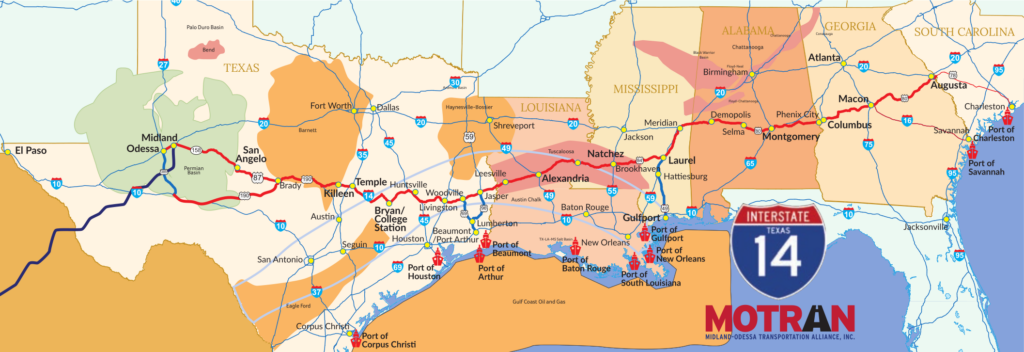
The Texas and Louisiana Gulf Coast has emerged as the world’s epicenter for LNG export development — and is rapidly becoming one of the most significant energy infrastructure growth corridors anywhere. Across the region, pipelines, LNG terminals, petrochemical complexes and manufacturing hubs are reshaping the economic landscape. Today, the region accounts for nearly one-fifth of global LNG exports — a share expected to rise to approximately 40% within the next decade as new capacity comes online. But this wave of investment now faces intensifying headwinds, from rising capital costs to tighter credit conditions and evolving trade risks. The numbers tell the story. Texas and Louisiana together account for nine new liquids pipeline projects, adding roughly 739 miles of crude oil, NGL and refined product infrastructure. Another 39 natural gas pipeline projects are expected to add over 3,300 miles of takeaway and LNG feed gas capacity. LNG remains the anchor. Eight approved Gulf Coast export facilities — representing a combined 26.9 million t/yr of capacity — are advancing toward final investment decisions. Meanwhile, six major LNG projects already under construction are set to add nearly 103 million t/yr in new export capability. If all planned projects proceed, LNG-related capital investment alone is projected to exceed $110 billion, with $87.5 billion already committed to active construction.
Two new, high-volume pipelines now entering service in north Louisiana’s Haynesville Shale Region will supply natural gas to rapidly growing Liquefied Natural Gas (LNG) export facilities on the Gulf Coast, further expanding the markets accessible to producers in the northern part of the state. As global LNG demand continues to drive economic growth on the Louisiana Gulf Coast, midstream companies like Momentum Midstream and Williams Companies are racing to build pipelines that will transport natural gas from the Haynesville production region in the northern part of the state to expanding markets in the south.